Chiang Mai Travel Guide: Culture, Nature & Authentic Experiences (2026)

Top things to do in Chiang Mai

Authentic Thai Cooking Class & Market Tour Chiang Mai
Complete visitor guide for Thai Cooking Class with Market Tour in Chiang Mai, Thailand.
5 hours · From $30
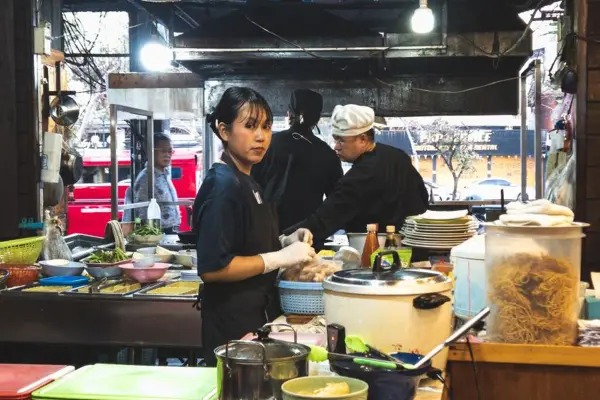
Chiang Mai Night Bazaar & Street Food Guide
Explore vibrant Chiang Mai's Night Bazaar, a bustling hub of street food vendors, shops, and cultural experiences.
2 hours · Free

Chiang Mai Thai Massage Guide - Authentic Techniques & Visitor Tips
Experience the ancient art of Traditional Thai Massage in Chiang Mai, a therapeutic practice combining pressure points with stretching for physical relief and mental well-being.
1.5 hours · From $10
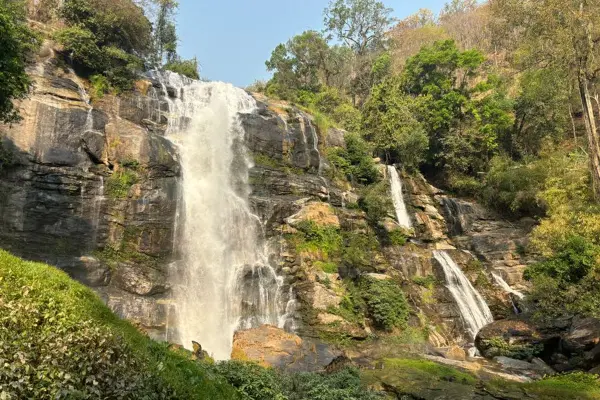
Doi Inthanon National Park Full Day Guide | Chiang Mai Biodiversity & Views
Complete visitor guide for Doi Inthanon National Park — Full Day in Chiang Mai, Thailand.
9 hours · From $25
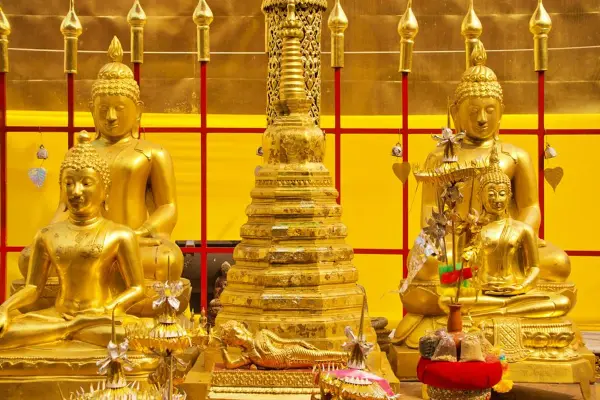
Doi Suthep Temple & Garden - Chiang Mai's Spiritual Peak
Explore Doi Suthep's stunning temple complex and the whimsical Doi Pui Flower Garden offering panoramic city views, combining culture with unique photo opportunities.
4 hours · From $6
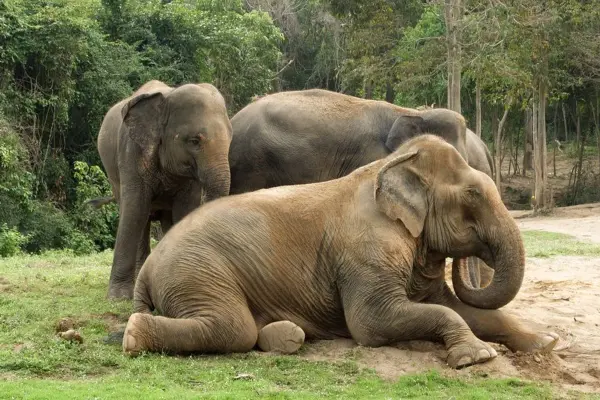
Ethical Elephant Sanctuary Full Day - Gentle Chiang Mai Experience
Spend a day visiting the ethical elephant sanctuary in Chiang Mai, observing gentle giants and supporting responsible tourism at this dedicated conservation centre.
8 hours · From $70
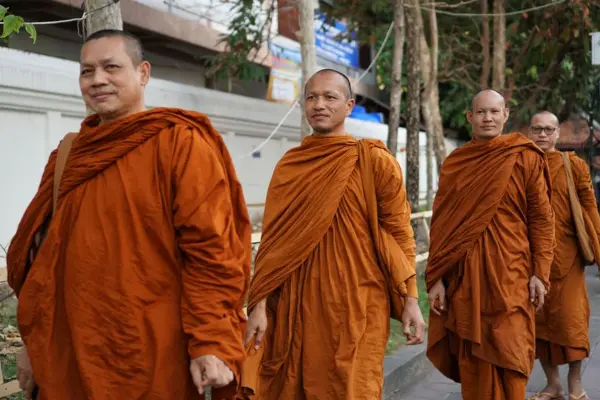
Experience Monk Meditation: Authentic Temple Visit Guide Chiang Mai
Engage with resident monks at a local temple for quiet meditation and insightful discussion, offering an intimate cultural experience within the spiritual heart of Chiang Mai.
1 hour · Free
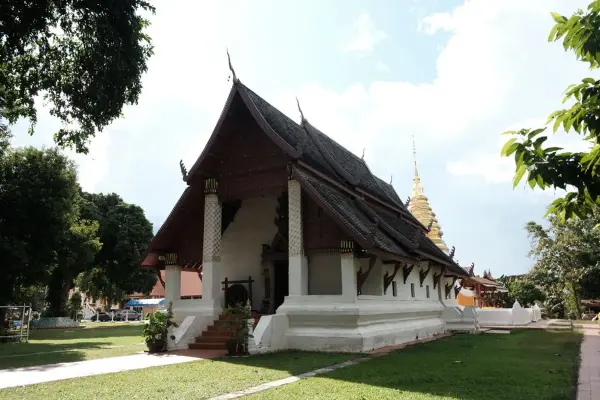
Wat Phra Singh & Chedi Luang: A Temple Walking Tour in Old Chiang Mai
Explore two iconic Chiang Mai temples connected by a historic walking path, offering insight into Thai Buddhist culture and architecture.
3 hours · From $3
Disclosure: This post contains affiliate links. Booking through them supports sawadee.guide at no extra cost to you.
Why Visit
Chiang Mai offers a distinct experience compared to other parts of Thailand. It's the country's second-largest city, pulsating with history, culture, and nature. Unlike Bangkok's modernity or Phuket's beach focus, Chiang Mai presents an authentic Thai atmosphere steeped in tradition. The city boasts over 2000 years of history as a major cultural hub, evident in its numerous temples, royal palace, and the very name 'Chiang Mai' meaning 'walled city'. It serves as a gateway to northern Thailand's mountains, offering opportunities for trekking, exploring lush valleys, and relaxing mountain resorts. Furthermore, Chiang Mai is renowned for immersive experiences like cooking classes, traditional dance lessons, and responsible elephant tourism.
Top Attractions
The heart of any visit lies in the Old City's Temple Circuit – a walk through some of Thailand's most significant Buddhist heritage sites including Wat Phra Singh, Wat Arunramurmui (the 'Golden Monastery'), Wat Chedi Luang with its iconic leaning stupa, and Wat Suthep perched atop a hill overlooking the city. Doi Suthep is an absolute must; this stunning mountain peak offers breathtaking panoramic views of Chiang Mai and surrounding valleys from its main temple complex at the summit. The Ethical Elephant Sanctuary provides a responsible way to connect with elephants, learn about their natural habitat, observe feeding and bathing rituals, and support ethical conservation efforts – far removed from typical riding camps. Engaging in a Thai Cooking Class is highly recommended; it transforms your culinary understanding by teaching you essential techniques like tuk-tuk curry paste blending or pad thai stir-frying while enjoying authentic flavours under expert guidance. 👉 Book a Chiang Mai cooking class on GetYourGuide Lastly, the Chiang Mai Night Bazaar brings vibrant life to the city with its maze of stalls selling everything from intricate silver jewelry and colorful textiles (like Kente cloth) to street food delicacies, candles, souvenirs, and fortune-telling services – a sensory overload!
When to Go
The best time to visit Chiang Mai is during the cool, dry season from November to February. Temperatures are lower, humidity decreases, and rainfall is minimal, making sightseeing and outdoor activities much more comfortable. The downside of this period is higher tourist numbers, especially around Songkran (Thai New Year) in January which can lead to crowded temples and markets. March brings the first monsoon rains, leading to cooler temperatures but frequent showers that limit some outdoor plans; it's still a popular time for cultural festivals like Hola Loy Krathong. May sees rain intensify again along with warmer weather, making trekking challenging due to muddy trails. June through August is peak season – expect very high prices and intense heat during the hottest part of the year before the monsoon arrives later.
Getting There
Pre-book your airport transfer with Welcome Pickups for a stress-free arrival — fixed price, meet-and-greet included.
Chiang Mai's main international airport (CNX) connects it daily to Bangkok (approx 1 hour flight), Chiang Rai (approx 20 mins, especially direct flights from Don Muang or Suvarnabhumi airports in Bangkok), and increasingly other global hubs. From Bangkok, you can fly directly or take the scenic but slower train journey – around 5 hours by rail for a memorable experience despite limited air connections itself. Road transport is also common via buses (Naka Express being frequent) which offer an adventurous way to travel from either city airport (CNX or DMK), often combined with a road trip from Chiang Rai's airport too.
Where to Stay
Chiang Mai offers diverse accommodation areas catering to different budgets and preferences. For budget backpackers, the riverside district near Suthep Street provides numerous hostels and guesthouses with easy access to attractions via walk or songthaew (local pick-up vans). Mid-range travelers often find excellent options within walking distance of the Old City's temples – check listings for areas like Suthep base or around Mueang area. Luxury seekers might prefer stays near Doi Suthep overlooking the valley, or in quieter, more upscale suburbs offering modern amenities and tranquility.
Getting Around
Navigating Chiang Mai requires a mix of local transport options depending on your destination. Songthaews (colourful pick-up trucks) are ubiquitous for day trips outside the city centre but can be crowded and noisy. They offer an affordable way to reach popular spots like temples or markets, though their routes aren't always straightforward. Renting a scooter is a common choice among younger travelers seeking freedom and flexibility; however, roads can be chaotic with narrow lanes, potholes, and heavy traffic requiring caution. Taxis (blue for metered, red for fixed fares) are readily available at airports, stations, and designated areas in the city centre for more comfortable point-to-point journeys. Walking is definitely encouraged within the Old City walls – its grid layout makes it manageable to explore many temples and soak up the atmosphere.
Explore Chiang Mai's Top Attractions
Go deeper into every Chiang Mai highlight with these detailed guides:
- Old City Temple Circuit — Wat Phra Singh, Wat Chedi Luang, and more
- Doi Suthep Temple & Doi Pui — Panoramic views from the mountain summit
- Doi Inthanon National Park — Thailand's highest peak and waterfalls
- Ethical Elephant Sanctuary — A full day with rescued elephants
- Thai Cooking Class & Market Tour — Pad thai and curry paste from scratch
- Night Bazaar & Street Food — Silver jewelry, textiles, and street snacks
- Traditional Thai Massage — The authentic northern-style experience
- Monk Chat at Local Temple — Conversations with resident monks
Plan Your Chiang Mai Itinerary
Plan your full Thailand trip in seconds — compare transport, hotels, and activities →
Browse Chiang Mai guides by category
Temple
Nearby in North Thailand
Book This Activity
Compare options across our activity partners — prices and availability vary.
Sawadee earns a small commission on bookings made through these links at no extra cost to you.
Ready to visit Chiang Mai?
Get a full itinerary with transport, hotels, and activities — free and instant.
Plan my Chiang Mai trip